
Time, nature, and intergenerational memories in The Metamorphosis of Birds
DOI:
https://doi.org/10.34619/brhx-vgb7Keywords:
anthropocentrism, family memories, gender roles, grief , New StateAbstract
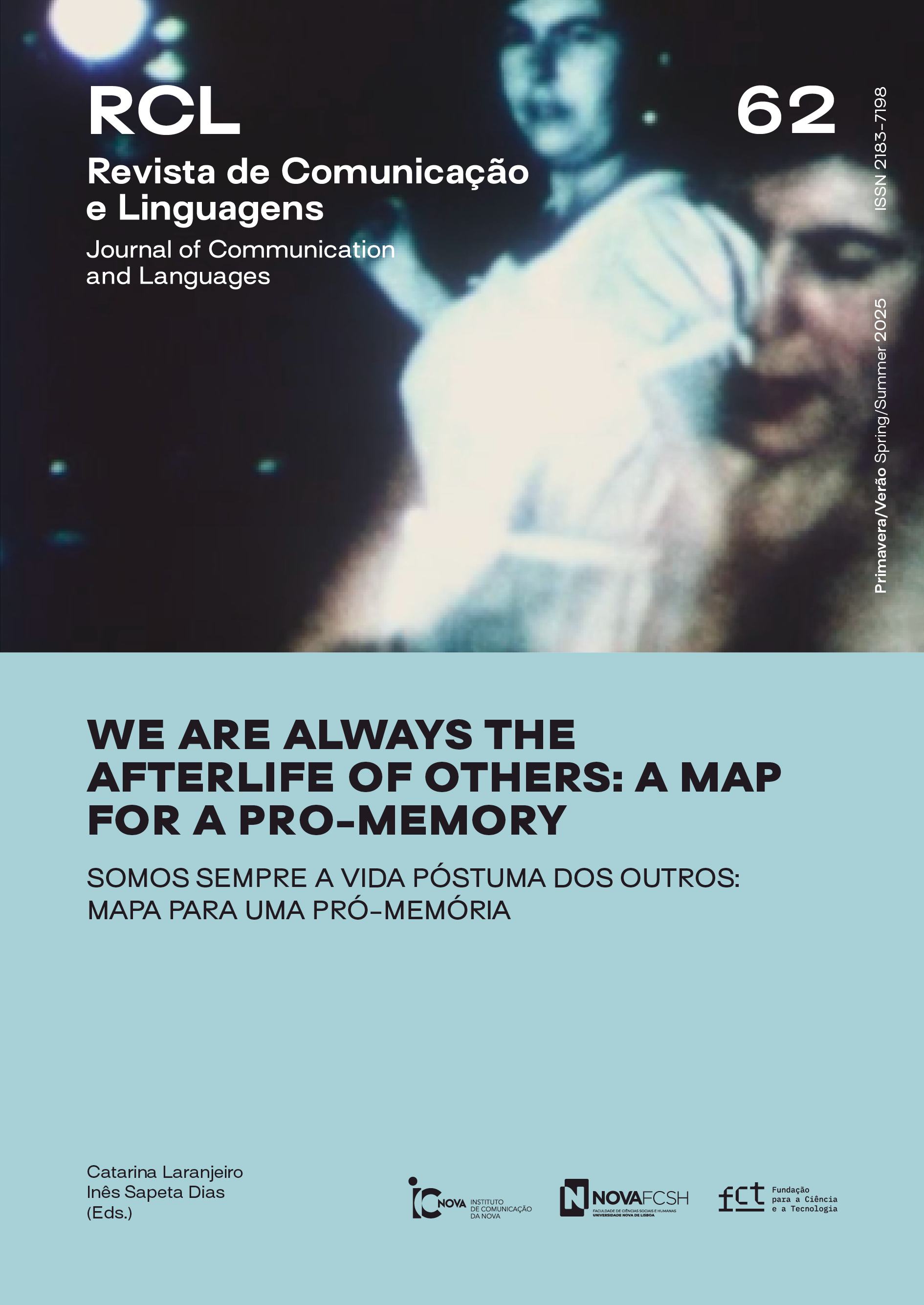
Artistic works that reconstruct family memories during Portugal’s dictatorial period (1933-1974) have allowed a broader and deeper approach to collective history beyond the official narrative. Family remembrances and experiences map the domestic diversity at the time and call into question one of the main ideological pillars of Salazar’s government: the patriarchal family as a symbol of order and unity both in the metropolis and in the colonized territories. In the experimental documentary The Metamorphosis of Birds (A Metamorfose dos Pássaros, 2020), the Portuguese filmmaker Catarina Vasconcelos articulates visual and narrative poet- ry to weave a testimony based on family experiences from the Portuguese colonial period to the present day, exploring multiple temporal dimensions: linear times made up of historical and political events, as well as generation gaps; cyclical and natural times of growth and care; times fragmented by absence and death. With special emphasis on the figure of her grandmother Beatriz, Catarina Vasconcelos draws a symbiotic network of relationships between human and non-human elements based on the essentiality of the production and reproduction of life. This article seeks to contribute to the dialogue on the different perspectives on temporality and the value of care work by analyzing the visual and narrative elements comprised in this documentary that retrieve memories reverberating across generations.
Downloads
Published
How to Cite
Issue
Section
License
Copyright (c) 2025 Laura Caballero Rabanal

This work is licensed under a Creative Commons Attribution-NonCommercial 4.0 International License.